Coriolis Mass Flow MeterIt is a device used to measure gas mass flow. Its measurement principle is based on the Coriolis effect. This article will introduce the structure and working principle of the Coriolis mass flow meter, and explain in detail how to apply the Coriolis effect to fluid mass flow measurement, and how to use fluid dynamic pressure and temperature differences to generate electromotive force.
1.Coriolis mass flow meter construction
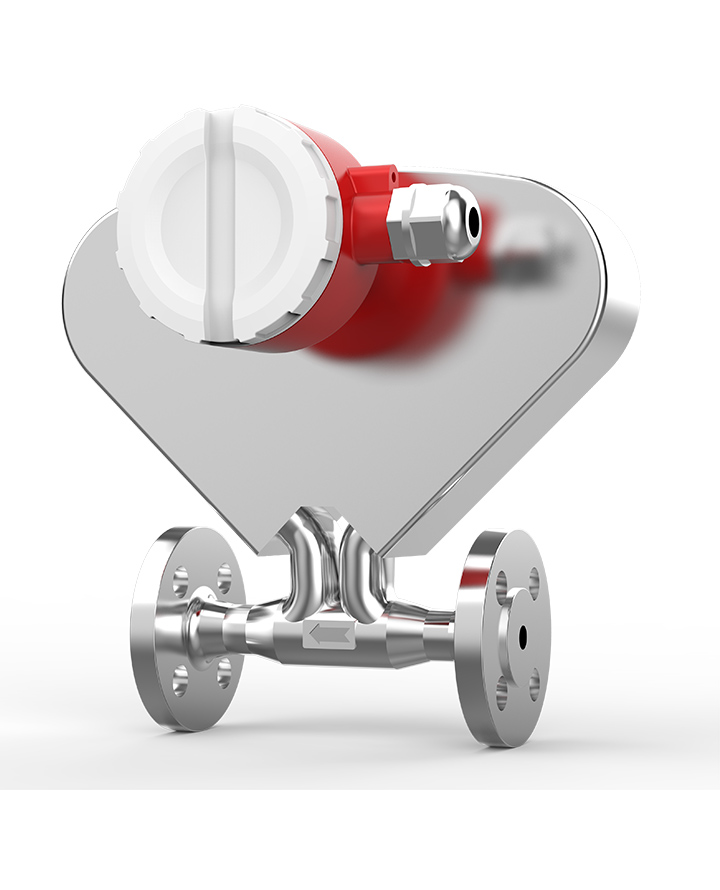
Coriolis Mass Flow MeterIt consists of thermocouples, potential difference meters, temperature meters, computers and other controllers. Thermocouples are electrodes made of two different metals that have different thermoelectric properties. The potential difference meter is used to measure the potential difference from the thermocouple to the cold end. This potential difference is proportional to the flow rate and density of the gas. A temperature meter is used to measure the temperature difference between the thermocouple and the cold junction. Computers and other controllers are used to process and analyze the measurement data and calculate the mass flow rate of the gas.
2.How Coriolis mass flow meter works
When gas passesCoriolis Mass Flow MeterWhen a pipe passes through two materials with different temperatures. The temperature difference between the two materials will cause a potential difference, and the magnitude and direction of this potential difference are related to the flow rate and density of the gas. When the potential difference meter measures the potential difference, it converts the signal into a digital signal and transmits it to the computer or other controller together with the signal from the temperature meter. The controller uses these signals to calculate the mass flow rate of the gas and then displays the results on a computer screen or outputs it to other devices.
Specifically, as the gas passes through the Coriolis mass flow meter, the temperature difference between the thermocouple and the cold junction creates an electrical potential difference. The magnitude and direction of this potential difference depend on the flow rate and density of the gas. The potential difference meter converts this potential difference into a digital signal and passes it along with the signal from the temperature meter to a computer or other controller.
In a computer or other controller, some formulas and algorithms can be used to calculate the mass flow rate of a gas based on its physical properties. Among them, it involves the calculation formula of fluid dynamic pressure and temperature difference.
The formula is a more commonly used method. Fluid dynamic pressure refers to the pressure generated by gas during flow and can be calculated by measuring the output signal of a fluid dynamic pressure sensor. Temperature difference refers to the temperature difference between the thermocouple and the cold junction, which can be measured by a temperature sensor.
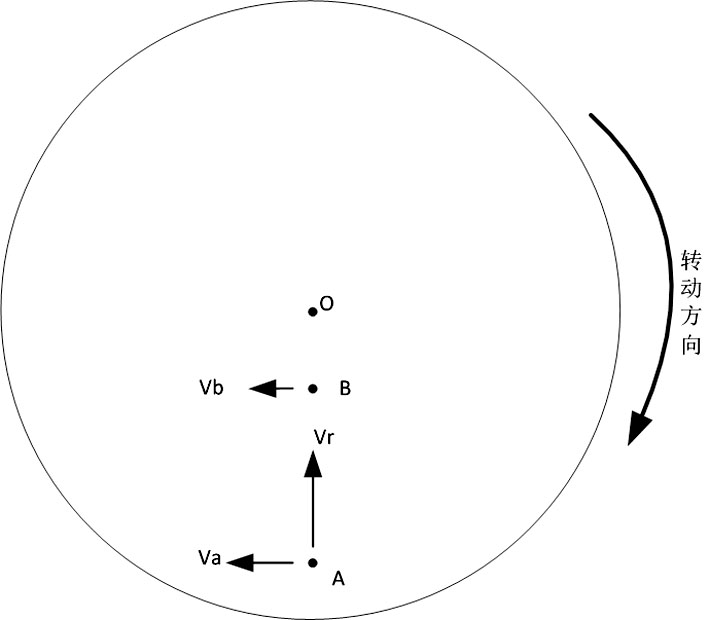
Based on the measured values of these parameters, some formulas and algorithms can be used to calculate the mass flow rate of the gas. For example, for a gas flowing in a pipe, its mass flow rate can be calculated using the following formula:
Q = A × ρ × V
Among them, Q represents the mass flow rate of the gas, A represents the cross-sectional area of the pipe, ρ represents the density of the gas, and V represents the flow rate of the gas.
To obtain more accurate measurements, Coriolis mass flow meters are often calibrated and adjusted. Calibration can be performed in a laboratory or other controlled environment, often requiring the use of standard gases and precision instruments. Adjustments can be made on site and usually need to be adjusted and optimized based on actual conditions.
3. How to apply the Coriolis effect to fluid mass flow measurement
The Coriolis effect is an electromotive force created by a fluid when two materials with different temperatures come into contact. Coriolis mass flow meters use this effect to measure gas mass flow. In a Coriolis mass flow meter, the mass flow rate of a gas is measured by converting the temperature difference between the thermocouple and the cold end into an electrical potential difference, and using the relationship between the electrical potential difference and the flow rate and density of the gas to be proportional.
Four.How to use fluid dynamic pressure and temperature differences to generate electromotive force
Fluid dynamic pressure refers to the pressure generated by gas during flow and can be calculated by measuring the output signal of a fluid dynamic pressure sensor. Temperature difference refers to the temperature difference between the thermocouple and the cold junction, which can be measured by a temperature sensor. Using the measured values of these parameters, the mass flow rate of the gas can be calculated through formulas and algorithms.
In a Coriolis mass flow meter, both fluid dynamic pressure and temperature difference are measured by the temperature difference between the thermocouple and the cold junction. By measuring the temperature difference and fluid dynamic pressure, the mass flow rate of the gas can be calculated, thereby measuring the gas flow rate.
In general, the Coriolis mass flow meter is a high-precision and stable device that uses the Coriolis effect to measure gas mass flow. Its structure and working principle are relatively simple, but it is capable of accurate mass flow measurement under different gas conditions. By measuring the potential difference generated by gases at different temperatures, Coriolis mass flow meters can achieve high-precision gas mass flow measurements.
Coriolis mass flow meters are used in a wide range of applications, including natural gas transmission and distribution, industrial gas flow measurement, medical gas flow measurement, etc. It can measure a wide range of gas mass flow rates and has high accuracy and stability under different gas conditions, so it is widely used in various fields and application scenarios.
During the use of the Coriolis mass flow meter, calibration and adjustment are required to ensure the accuracy of the measurement results. Calibration usually requires the use of standard gases and precision instruments and is performed in a laboratory or other controlled environment. Adjustments can be made on-site and adjusted and optimized according to actual conditions.
In the future, with the development of science and technology and the continuous expansion of application fields, the application prospects of Coriolis mass flow meters will be even broader. At the same time, further research and development of more precise and efficient gas flow measurement technology are also needed to meet the needs for gas flow measurement in different fields and application scenarios.





 Home


