In actual production or on-site installation and debugging, we often encounter Parshall troughs of various sizes, or triangular weirs, or rectangular troughs. Today Doweston will show you how to distinguish different sinks.
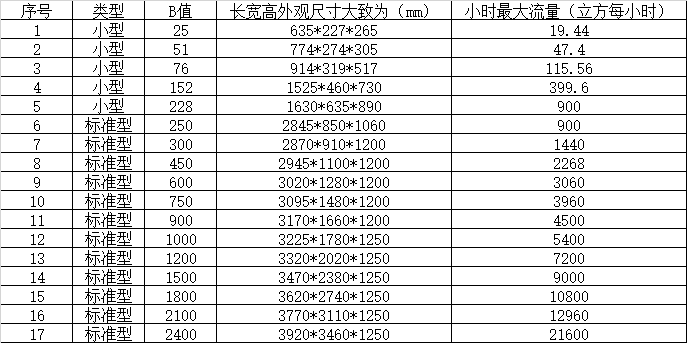
Through the B value in the above table corresponding to the narrowest point of the Parshall tank encountered in actual production, we can know the tank number of the current tank and the flow range. We set the tank number to the total number of the open channel flow meter, and configure the flow range in the automatic control room corresponding to the maximum flow range of the tank number. Then it can be used correctly.
Example of on-site identification of tank number selection for open channel flow meter!
Next, we use an on-site case to confirm the slot number of the open channel flow meter.
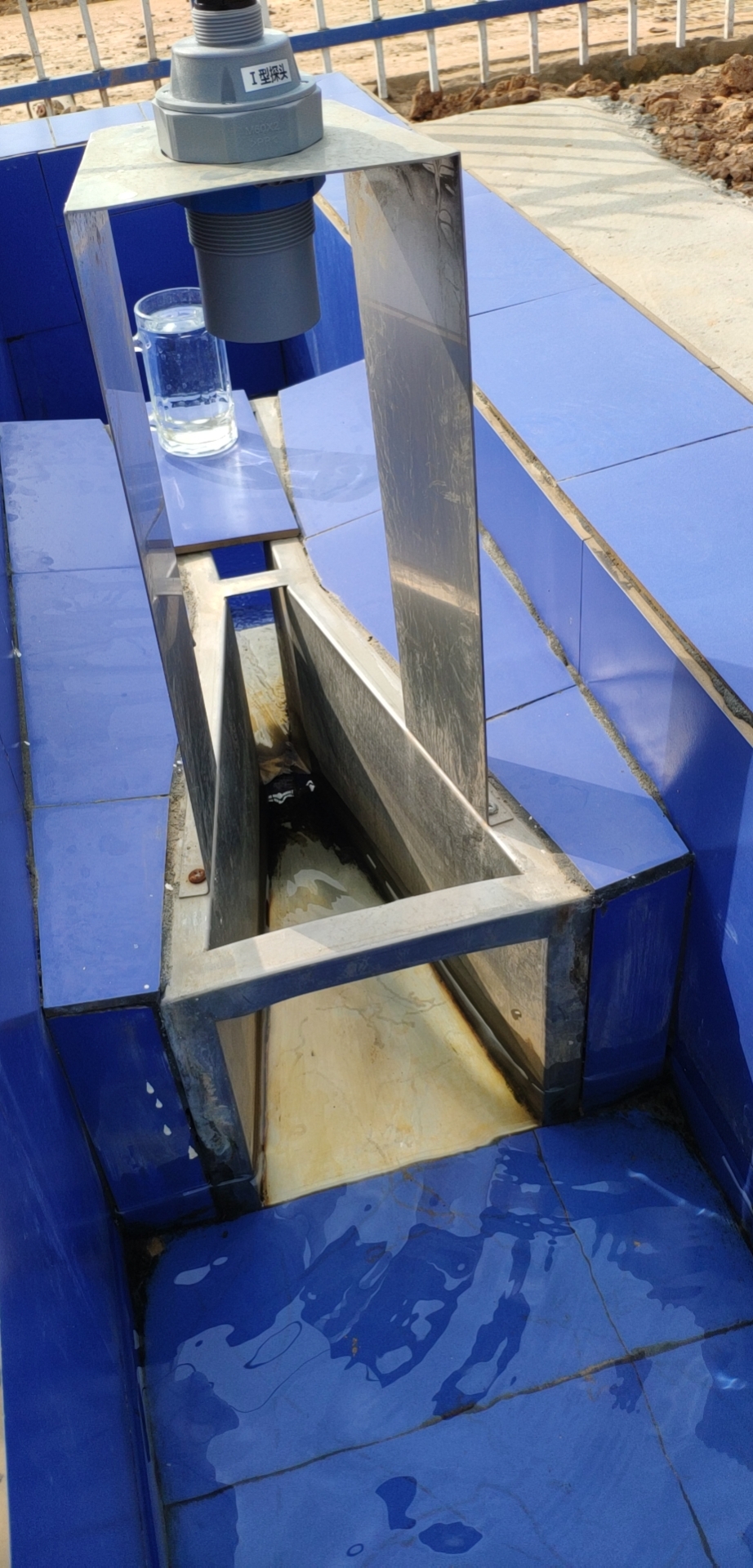
When we arrive at the site, we first measure the width of the B value
As shown below
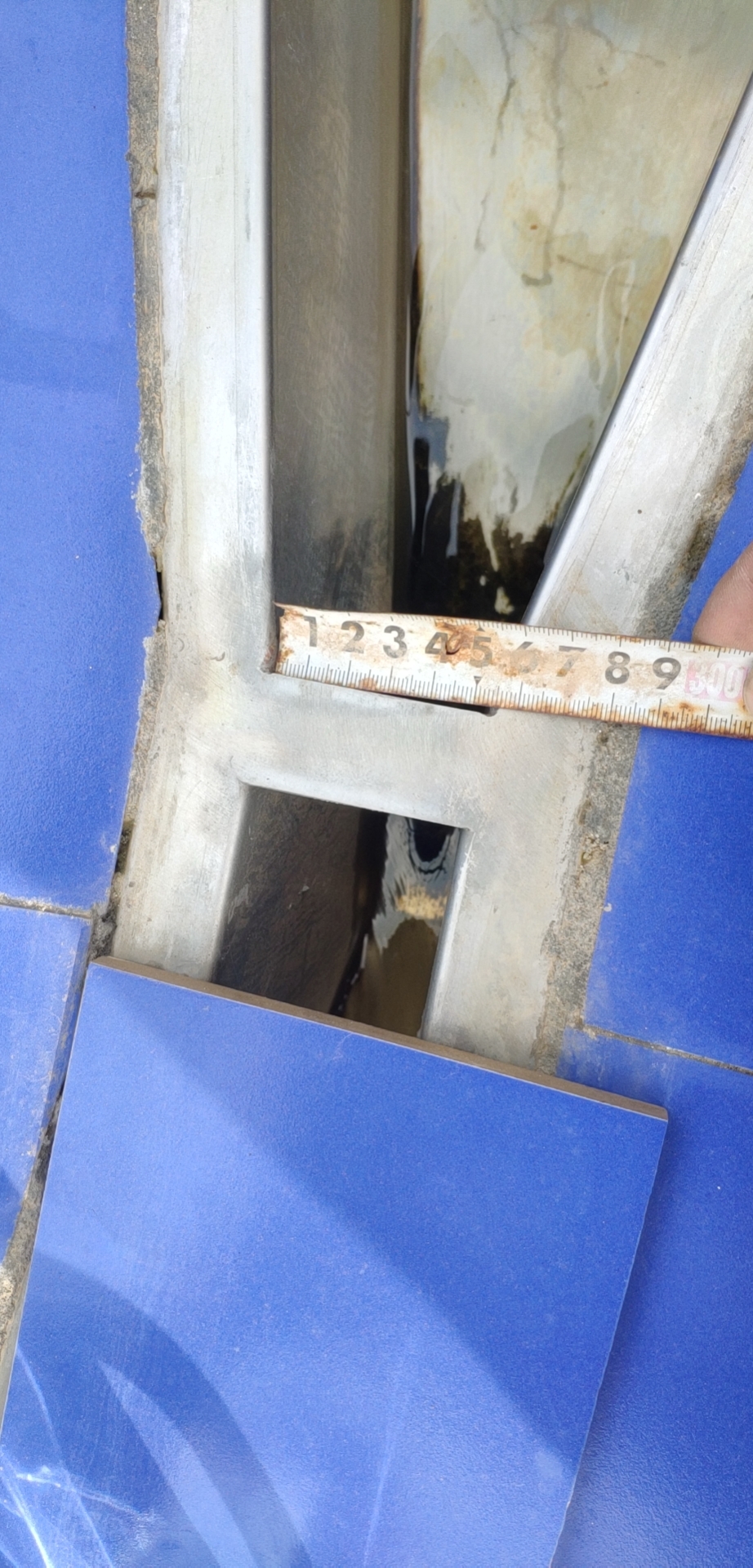
By measuring the B value that is closest to the 2# slot, we judge that this slot is the 2# slot.
How to choose Parshall tank?
Answer: Based on the actual production needs, we correspond to your needs according to the maximum flow range 5/3 in the table, and you can select the appropriate slot number. This will not affect the measurement accuracy, but can also cover sudden large flow rates or short-term flow overruns.
Can open channel flow meters be larger?
Answer: The answer is yes, but it is not recommended. Use a larger flow meter to measure small flows. Although it can well cover the sudden large flow demand, it is difficult to ensure the accuracy of small flows. It is just like using a car scale to weigh people. It is difficult to make accurate measurements.
This article was written by the editorial department of Doweston Company. Copying and reprinting by any unit is strictly prohibited.





 Home


