Contact Us+1 (314) 325-4420 English

Tel: +1 (314) 325-4420

Service hours: Mon-Fri 9:00-17:30

Get My Quote

Global Sites Member Center
Industry Applications

Landfill leachate treatment

High-precision, highly reliable instrumentation and sensor solutions for the Landfill leachate treatment industry, helping customers improve process efficiency and reduce operating costs.

Home > Industries > Application fields

Landfill leachate treatment

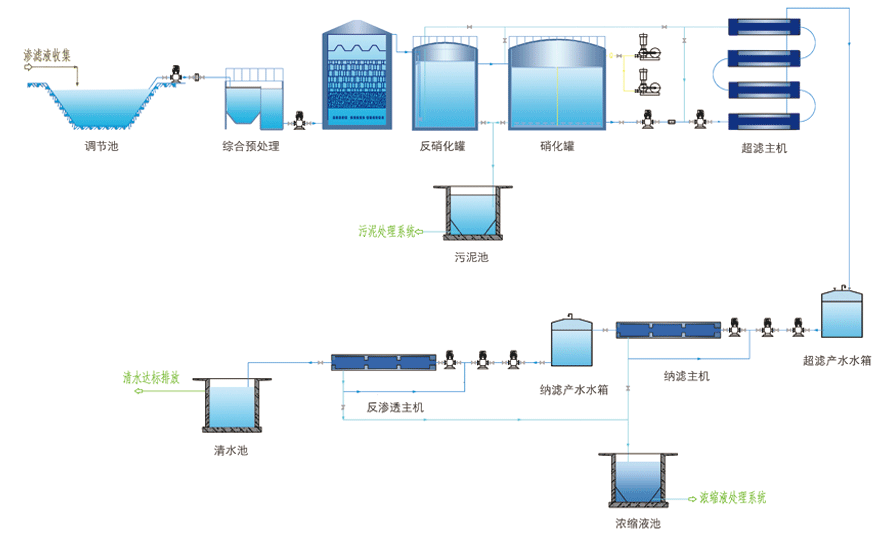
During the treatment process of landfills, landfill leachate is a high-concentration wastewater with complex water quality, generally containing high concentrations of organic matter, heavy metal salts, SS and ammonia nitrogen. The treatment of landfill leachate is crucial for environmental protection and resource utilization. In view of the complexity of landfill leachate treatment, various treatment process sections use a wide range of instruments, including flow, pressure, liquid level, temperature and analytical instruments. Therefore, the application of instrumentation in landfill leachate treatment is of great significance.


Application of Doweston Instruments in Landfill Leachate Treatment


As a professional manufacturer of measurement and control instruments, Doweston provides a wide range of measurement and control products for each stage of the landfill leachate treatment process, including flow, pressure, liquid level, temperature and analytical instruments. The following are the specific applications of DOWESTON instruments in landfill leachate treatment:

1. Initial adjustment stage


During the initial conditioning stage when garbage is filled into the landfill, the easily degradable components in the garbage will quickly undergo an aerobic biodegradation reaction with oxygen, releasing a certain amount of heat and carbon dioxide. At this time, it is necessary to measure the oxygen content and carbon dioxide emissions in the landfill in order to understand the gas movement patterns in the landfill. At this time, DOWESTON can provide ZDR series oxygen concentration sensors and CO2 gas sensors. These products have high precision, fast response and stable performance, and can accurately measure oxygen content and carbon dioxide emissions in landfills. The easily degradable components in landfill waste quickly undergo aerobic biodegradation reactions after entering the landfill, generating carbon dioxide (CO2) and water, and at the same time releasing a certain amount of heat. This stage is called the initial adjustment stage. At this stage, the CODCr concentration of landfill leachate is low, generally not higher than 2000mg/L. In the initial adjustment stage, instruments such as flow meters, pressure sensors, liquid level gauges and thermometers are widely used to monitor and control the operating status of the landfill. Among them, the flow meter is used to monitor changes in leachate flow, the pressure sensor is used to monitor the air pressure inside the landfill, the liquid level meter is used to monitor changes in leachate water level, and the thermometer is used to monitor the temperature inside the landfill.


2. Transition stage

After entering the transition stage, the oxygen in the landfill is exhausted and anaerobic conditions begin to form. The degradation of garbage transitions from aerobic degradation to facultative anaerobic degradation. At this stage, the nitrates and sulfates in the garbage are reduced to nitrogen (N2) and hydrogen sulfide (H2S) respectively, and the pH of the leachate begins to decrease. During the transition phase, in addition to the instruments used in the initial adjustment phase, instrumentation such as oxygen concentration detectors, gas generators and conductivity meters are also required. Among them, the oxygen concentration detector is used to monitor changes in oxygen concentration in the landfill, the gas generator is used to control the generation of anaerobic environment in the landfill, and the conductivity meter is used to monitor the conductivity in the leachate.


3. Acidification stage

When the landfill enters the acidification stage, the concentrations of COD, VFA and metal ions in the leachate continue to increase, and the pH value begins to decrease. At this time, it is necessary to measure the COD, VFA and metal ion concentrations and pH value in the leachate in order to understand the garbage degradation process and control the pH value of the leachate. The COD, VFA and metal ion concentration sensors and PH series liquid level sensors and controllers provided by DOWESTON can accurately measure these parameters and automatically control the amount of alkaline regulator added to maintain a stable pH value.


4. Methane generation stage:

When the landfill is in the methane generation stage, the concentrations of COD, VFA and metal ions in the leachate will further decrease, while the methane gas concentration will gradually increase. At this time, methane gas collection and utilization are needed to reduce greenhouse gas emissions and generate economic benefits.

Methane collection and utilization typically uses vent pipes and vent pipe collection systems. An exhaust pipe is installed on the top of the landfill to collect methane gas into the pipe and transport it to equipment such as generators or hot water boilers for use in power generation or heating. At the same time, since gas emissions from landfills are harmful to the environment and human health, a gas collection system needs to be installed to guide the gases generated in the landfills into the exhaust pipe for collection and utilization.

In general, landfill management needs to comprehensively consider the process of garbage degradation, leachate treatment, and methane gas collection and utilization, and use advanced sensors and control systems for monitoring and automated control to improve management efficiency and protect the environment.


14773646836126.png


5. Mature stage:

As the landfill reaches maturity, the waste volume also decreases significantly and cracks and holes begin to appear on the surface of the landfill. At this time, landfill management and maintenance focus primarily on leachate and methane disposal.

For the treatment of leachate, sprinkler irrigation or drip irrigation is generally used to spray it on plants, and the discharge of leachate is reduced through plant absorption and transpiration. For some large landfills, you can also consider using a leachate treatment system to treat the leachate into reusable water.

For the treatment of methane, collection and utilization are generally adopted. Methane generated in landfills can be collected through pipelines and then converted into energy through equipment such as generators or gas boilers. Not only would this reduce the environmental impact of methane, it would also generate economic benefits.

In addition to the treatment of leachate and methane, the maintenance and management of landfills also need to consider other factors, such as the stability of the landfill surface and the prevention of leakage and scattering of garbage. Therefore, regular inspection and maintenance are very important to ensure the stability and safety of the landfill.


The following are the instruments used by DOWESTON in the treatment of leachate in landfills:


Instrument/instrument nameparametersApplicationsProcess points used
COD/VFA/metal ion sensorCan measure the concentration of COD, VFA and metal ions in leachateMonitor chemical indicators of leachateVarious stages of landfill treatment
pH sensorCan measure the pH of leachateMonitor leachate pHVarious stages of landfill treatment
level sensorCan measure liquid level heightMonitor leachate or sludge levelsVarious stages of landfill treatment
Electromagnetic Flow MeterLeachate flow rate can be measuredMonitoring leachate generation and dischargeVarious stages of landfill treatment
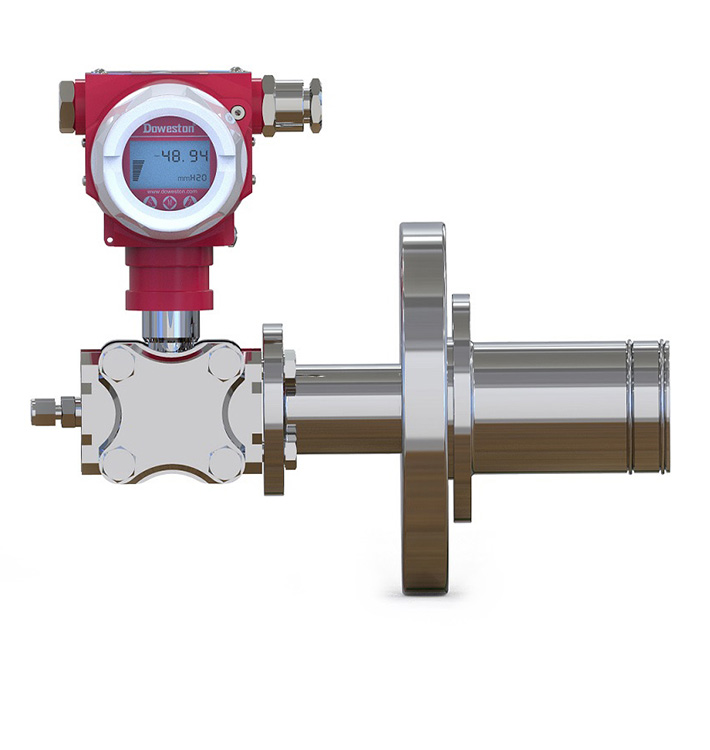
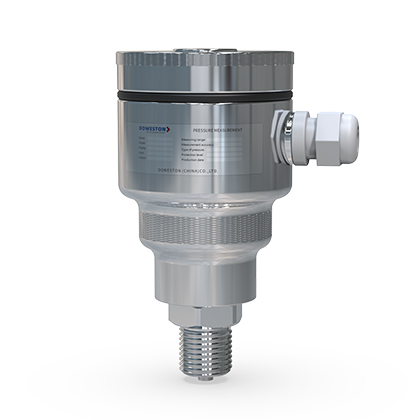
Pressure TransmitterCan convert the pressure in the leachate pipeline into electrical signal outputMonitor pressure changes in pipelinesVarious stages of landfill treatment
pressure gaugeCan directly measure the pressure in the leachate pipelineMonitor pressure changes in pipelinesVarious stages of landfill treatment
Temperature SensorCan measure temperatures at various stages of landfill processingMonitoring the temperature inside a landfillVarious stages of landfill treatment
Radar Level MeterCan measure the level of garbage in landfillsMonitoring the accumulation of waste in landfillsVarious stages of landfill treatment


The above instruments and meters can be used in the treatment process of landfills to help monitor and control the generation and discharge of leachate, monitor the chemical and physical indicators of leachate, and monitor the conditions inside the landfill.


Landfill leachate treatment
Intelligent water quality monitoring at mussel farms in Shandong Peninsula, China

Intelligent water quality monitoring at mussel farms in Shandong Peninsula, China

Overview

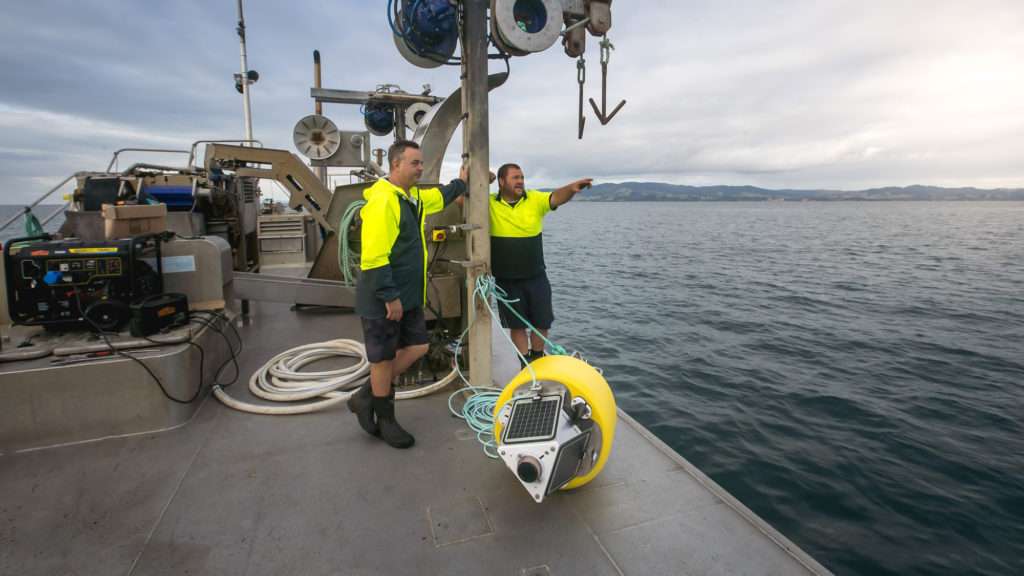
A large mussel farm in Shandong Peninsula cooperated with "Zhilian Ocean", a leading domestic Internet of Things company, to deploy a set of equipmentDOWESTON TROLL 200 A system of data buoys for real-time monitoring of seawater salinity and other key water quality parameters. The implementation of this system not only improves the production efficiency of the farm, but also ensures the safety and quality of the products.

Challenge

The coastal areas of the Shandong Peninsula have a variable climate, frequent rainfall and runoff pollution, which poses huge challenges to mussel farming. Traditional water quality monitoring methods rely on land-based rain gauges and manual sampling, which are time-consuming and labor-intensive and fail to provide real-time data. As a result, mussel farms are often forced to close prematurely due to uncertain environmental conditions, affecting production and economic benefits.

In addition, the sea environment of the Shandong Peninsula is complex. High salinity, high temperature and abundant marine biological activities make water quality monitoring equipment susceptible to biofouling, affecting the accuracy of data.


Solution


To address these challenges, Smart Marine designed and installed an advanced data buoy system. The core equipment of this system isDOWESTON TROLL 200 , has the following characteristics:

  1. Anti-biofouling function:DOWESTON TROLL 200 Equipped with a copper shield and self-cleaning scraper to effectively prevent bacterial growth and dirt accumulation, ensuring the sensor remains clean and accurate for a long time.

  2. Multi-parameter monitoring: in addition to salinity,DOWESTON TROLL 200 It can also monitor key water quality parameters such as temperature, pH and dissolved oxygen, providing comprehensive water quality data for farms.

  3. Easy to install and maintain:DOWESTON TROLL 200 The design is simple, easy to install, low maintenance cost, and suitable for long-term use in harsh marine environments.

  4. Real-time data transmission: The data buoy transmits real-time data to the cloud platform through wireless communication technology. Farm managers can check the water quality at any time through their mobile phones or computers and make timely decisions.


Result

The implementation of this data buoy system has achieved remarkable results:

  1. Improve production efficiency: Real-time monitoring data helps farms more accurately determine whether they need to close, avoiding unnecessary downtime. This maximizes mussel harvest time and increases yields.

  2. Guarantee product quality: By monitoring water quality parameters in real time, farms can detect and deal with potential pollution problems in a timely manner, ensuring product safety and quality.

  3. Reduce maintenance costs:DOWESTON TROLL 200 The anti-biofouling feature greatly reduces maintenance frequency and lowers operating costs.

  4. Enhance market competitiveness: High-quality products and stable supply capabilities make this mussel farm stand out in the market competition and win the trust and praise of customers. User feedback "Since installing this data buoy system, our production efficiency and product quality have been significantly improved. We no longer need to shut down early due to uncertain weather conditions, which saves us a lot of time and costs." —— Zhang Wei (General Manager of Mussel Farm) "The technical support provided by Zhilian Ocean is very good.DOWESTON The performance of the TROLL 200 exceeded our expectations. We are confident about our future development. " ——Li Ming (Technical Director of Zhilian Marine) Through this innovative solution, the mussel farms in Shandong Peninsula not only improved production efficiency, but also ensured product safety and quality, laying a solid foundation for sustainable development.

View Details >>
Grease separation

Grease separation

Doweston FTU-1600 Series: Subverting wastewater monitoring in the grease separator industry

Application Report | Water and Wastewater Industry

Transparent reporting of discharge compliance and wastewater volumes

Doweston's FTU-1600 Series revolutionizes this field by providing automated process monitoring for wastewater monitoring at the outlet of grease separators by comprehensively measuring pH, conductivity and flow rate.


Background:Kesselhut EntsorgungsA leader in industrial wastewater management, it operates a grease separation plant in the German state of Saxony-Anhalt, specializing in the treatment of industrial wastewater.

Measurement requirements:

The operation of grease separators is subject to strict compliance with technical and environmental regulations.KesselhutWastewater discharged into the municipal sewerage network after treatment by grease separators needs to be reported to the local sewerage association. The primary indicators for monitoring emissions compliance are pH and conductivity. According to regulations,KesselhutRecords of these parameters need to be submitted regularly, so the effluent downstream of the grease separator needs to be continuously monitored using suitable process instrumentation.

Doweston's solution:

DOWESTON provides customers with FTU-1600 series analytical sensors and flow meters for monitoring required parameters. The FTU-1600 series of pH sensors are designed for wastewater treatment and feature a durable, stain-resistant PTFE annular diaphragm and an integrated temperature sensor. The inductive conductivity sensor is made of polypropylene, suitable for industrial sewage, and equipped with non-liquid Pt1000 for temperature compensation.

Customer benefits:

This customized solution enables customers to automatically record wastewater volume data in the control room, in addition to automatically recording and evaluating pH and conductivity. This enabled Doweston to provide accurate evidence of the amount of sewage discharged into the sewers as a basis for settling settlements with the Sewerage Association. These process instruments also provide complete proof of emissions compliance, allowing timely action to be taken when readings deviate from limits, avoiding contamination of the wastewater system and possible additional fines.


View Details >>
Application of DOWESTON FTR-1600 Turbine Flow Meter in Pharmaceutical Industry - Sterilization Tunnel Air Flow Monitoring

Application of DOWESTON FTR-1600 Turbine Flow Meter in Pharmaceutical Industry - Sterilization Tunnel Air Flow Monitoring

Measuring air flow in pharmaceutical filling lines and sterilization tunnels


Process data in sterilization tunnels in the pharmaceutical industry

Measuring task: Flow rate for process control

Measuring points: at different points in the sterilization tunnel, including heated areas

Measuring range: up to 1 m/s

Process pressure: atmospheric pressure

Process environment: up to 300°C


Application scenarios

Pharmaceutical products are filled aseptically in specialized equipment. The containers (usually glass containers - vials) used in this process need to be cleaned and sterilized.


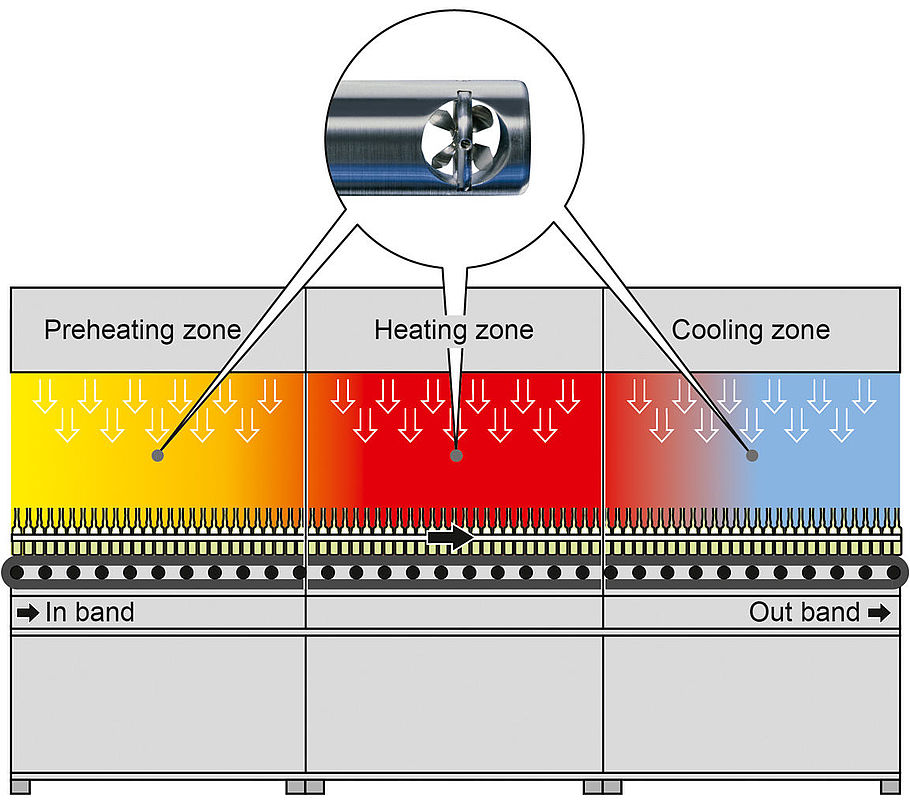
After the vials are cleaned, they are sent to the sterilization tunnel through a special conveyor device for sterilization. They enter the heating zone of the hot air sterilizer from the preheating zone. Hot air is blown onto the vials to sterilize and depyrogenize them.


In the sterilization tunnel, hot air flows through a so-called HEPA filter into the heating zone. There, sterilizing hot air with a very low flow rate is blown against the glass container.


Since flow rate determines the entire process, flow rate needs to be measured and monitored closely.


Your advantage


Safe

Flow rate measurement continuously regulates and ensures processes


Stable

Our sensors are ideal for use in heated areas above 300°C


Verified

Well-known device manufacturers have valued our sensors for decades.


Recommended products

insertion type turbine flow meter FTR-1600ZS-30


The pharmaceutical industry has the highest standards for its sterilization processes

The highest quality and cleanliness of pharmaceutical products is the result of excellent equipment engineering. Leading equipment manufacturers have relied on DOWESTON measurement technology for decades.


Filling sensitive pharmaceutical products is a very complex process. This process has been continuously improved over the past few years. Leading sterilization tunnel manufacturers offer a wide range of suitable equipment depending on the equipment's capacity and end product.


Sterilization of glass containers is an unavoidable necessity in the pharmaceutical industry. They must be cleaned in a washing system before hot air sterilization.


Where should measurements be taken during sterilization?


Next, the container passes through the sterilization tunnel through the following steps:

1. Drying (preheating)

2. Sterilization and depyrogenation treatment (heating zone)

3. Cool down


DOWESTON sensors work directly inside the sterilization tunnel. They monitor the laminar air flow required for hot air sterilization.


How does hot air sterilization work?

Throughout the three stages of the process, each air flow is monitored using impeller sensors. The heating zone places the highest demands on measurement technology, with temperatures exceeding 300°C. This is to achieve the desired microbial reduction. High temperatures cause the atmosphere to become less dense. At the same time, the flow velocity is only in the low range of 1 m/s.


Sensors must reliably measure flow to ensure successful hot air sterilization and therefore the safety of pharmaceutical products. This makes the pharmaceutical industry quite demanding.


Why are these sensors essential equipment for the pharmaceutical industry?

DOWESTON develops perfect solutions for these very specific pharmaceutical applications and improves them year by year in close cooperation with equipment manufacturers. The result is our impeller sensor ZS30, which is recognized worldwide as "state of the art" in the measurement technology industry.


This solution is widely used in leading pharmaceutical companies!


After the sterilization process, the actual product is filled into vials. Based on this experience, we are able to offer many similar solutions to the chemical and pharmaceutical industries.


An example is the monitoring of drying equipment and ovens. The combination of low flow rates and high temperatures needs to be measured reliably.


During the pharmaceutical production process, you may also need to monitor and control other links to ensure the safety and efficiency of the production process. DOWESTON sensors can be used in the following scenarios:


Clean room environment monitoring: In clean rooms, monitoring of air flow, temperature and humidity is crucial. DOWESTON sensors ensure that environmental parameters in clean rooms always meet production requirements.


Liquid filling process control: During the pharmaceutical liquid filling process, DOWESTON sensors can monitor the flow rate in real time to ensure accurate, fast and leak-free filling.


Wastewater and waste gas treatment: Wastewater and waste gas generated during pharmaceutical production need to be properly treated. DOWESTON sensors can be used to monitor the operating status of wastewater and exhaust gas treatment equipment to ensure that the treatment process meets environmental protection requirements.


Cold chain transportation: For temperature-sensitive pharmaceuticals, cold chain transportation is crucial. DOWESTON sensors can be used to monitor temperature fluctuations during cold chain transportation to ensure that pharmaceutical quality is always guaranteed.


Drug R&D laboratory: In drug R&D laboratories, DOWESTON sensors can be used to monitor and control experimental equipment to ensure the accuracy of experimental data and the safety of the experimental process.


In short, DOWESTON sensors are widely used in the pharmaceutical industry and can provide you with a full range of solutions to ensure the safety, efficiency and reliability of the pharmaceutical production process.


Learn more about FTV-1600 Vortex flow meter now!

Our professional team is ready to provide you with detailed product information and quality services. Discover how the FTV-1600 Vortex Flow meter can meet your needs!

Contact us now

View Details >>
Engine performance testing

Engine performance testing

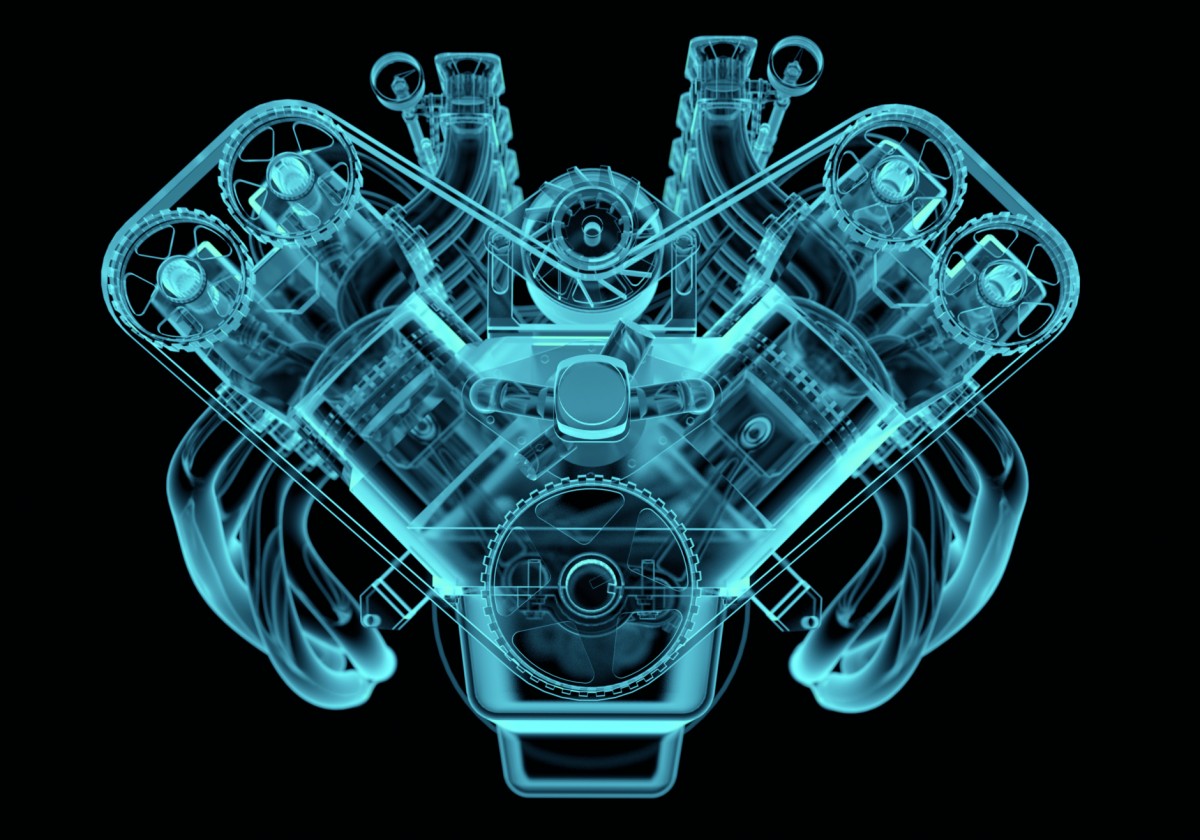
When you develop engines for vehicles and machinery to meet the needs of the CNH Industrial Powertrain department, in order to measure their efficiency, it is recommended that you use tools such as the PD210D series pressure transmitter from DOWESTON to accurately measure pressure and provide reliable data results.


"Engines developed and tested in the factory comply with the most stringent quality requirements in terms of materials, emissions and efficiency. Therefore, when we inspect the engine on the test bench, we must take into account all variables that influence how well it works. In order to obtain extremely precise and highly dynamic absolute sensor measurements, we need to use reliable measuring equipment, even under the specific conditions inside the engine, the variations of which can sometimes be considerable and extremely demanding."


Development work at Doweston Electronics GmbH is focused on reducing emissions and achieving high power density, low fuel consumption, long life and maximum reliability. The efficiency of an engine depends largely on the smoothness of the air flow into the combustion chamber and the exhaust gas flow out. The pressure is usually below 10 bar. To obtain reliable analysis of pressure conditions and losses, it is important to take measurements as close as possible to each cylinder on the intake side. The different geometry of the intake manifold poses an additional challenge, as it means that every cylinder must be avoided being supplied with a different amount of air. On the outlet side, undesirable interactions between the combustion gases in each cylinder can lead to pressure pulsations. The PD210D series pressure sensors measure these processes locally on the inlet and outlet sides and with a high degree of phase fidelity.


DOWESTON's PD210D series pressure sensors are capable of accurate measurements under high temperature and pressure conditions and are extremely durable. These sensors have low temperature drift and high linearity, making them ideal for long-term,


PD210D pressure sensorIt is a high-performance pressure sensor designed by Doweston Electronics Co., Ltd. for demanding industrial and automotive testing applications. The sensor's high-frequency response technology is one of its very important advantages in engine testing.

During engine testing, the high-frequency response capability of the pressure signal is very important for accurate measurement. The combustion process of the engine is very fast, and the pressure pulsation frequency of the combustion gas is very high, which requires the use of sensors with high-frequency response capabilities to accurately capture these pulsation signals.

The PD210D pressure sensor has extremely high frequency response and can measure rapid pressure pulsations up to 10 kHz. This makes it ideal for applications requiring high-precision pressure measurement, such as testing high-speed engines or high-performance racing engines. In addition, the PD210D pressure sensor is highly reliable and stable, and is suitable for long-term, high-frequency testing work.

To sum up, the high-frequency response technology of the PD210D pressure sensor is very important for engine testing. It can provide accurate and reliable pressure measurement data and help develop more efficient and high-performance engine products.


View Details >>
Petroleum refinery

Petroleum refinery

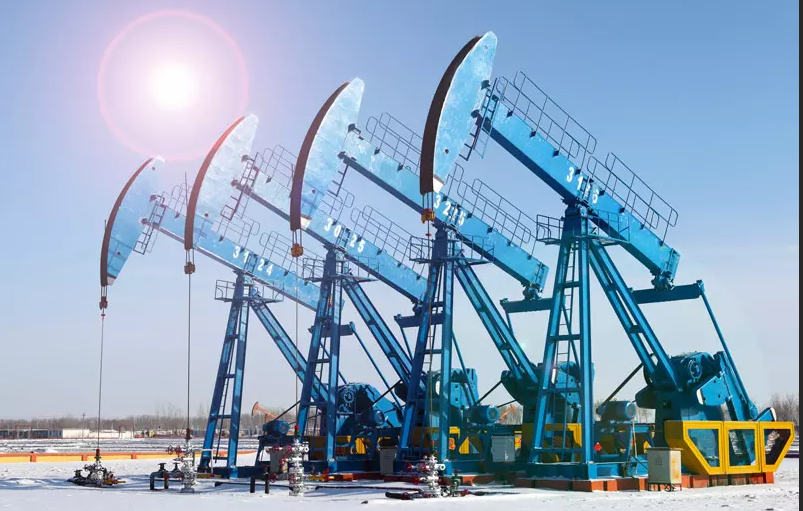
Our customers in the oil and gas industry rely on our rugged and reliable oil and gas flow meters for mission-critical applications such as petroleum refineries and power generation facilities.

Flow meters ensure your equipment is operating at the most cost-effective level.


Meters can help operators answer questions like "Is it cost-effective" and "What is my return on investment?" That's why our high-quality, high-reliability instruments are sought after by customers around the world. Additionally, a flow meter's repeatable functionality is as important as its accuracy and reliability. For example, combustion air flow measurement in a boiler can be mission critical.

For example, inDoweston Inc. , we design flow meters that are field tested to ensure their reliability, accuracy and repeatability. At the same time, our instruments deliver industry-leading value.


Additionally, depending on the industry, flow meters must comply with numerous regulations and compliance guidelines.

Doweston Inc.'s oil and gas flow meters are engineered to withstand harsh and changing environmental conditions, making them the ideal solution for applications requiring measurement integrity and long service life.


Provides operating pressure up to 15,000 PSIG

TI turbine flow meters can handle high operating pressures up to 15,000 PSIG and provide standard accuracy of +/- 1.0% over the flow range. They consistently provide accurate measurements in a variety of applications such as oil fields, natural gas, propane, methane, CO2 and many other liquids and gases such as hydrogen, which is one of our specialties.

Other applications include water injection, chemical injection, well testing, production separators, disposal wells, hydraulic fracturing, liquid pipelines, natural gas pipelines and pumping applications.


Oil and gas flow meters

Available retrofit kits

Doweston Inc. Cost-effective retrofit replacement kits are available and can be easily installed to avoid time-consuming delays. Additionally, we offer factory refurbishment and a 5-day turnaround guarantee that includes shipping, retrofit kits, shop labor, and a newly calibrated k-factor.

Doweston Inc. Differences

We have been designing and manufacturing a wide range of turbine flow meters for oil and gas and industrial applications. Our U.S. products are backed by dedicated and experienced staff who can help you find the best measurement solution for your application.

  • Most inventory ships within 24 hours

  • Metrology performance second to none; proven accuracy +/- 1.0% over flow range

  • Years of in-house manufacturing and engineering expertise

  • Operate fully equipped R&D facilities to continuously improve products and develop new products

  • Industry-leading customer service with high repeat rates

  • Doweston Inc. Possess strong financial strength, bankability and leading technology, manufacturing and applications expertise.

Need for precise, reliable and repeatable custom designsDoweston Inc. Flow meter? let's talk


View Details >>
Gas dosing for bacterial growth

Gas dosing for bacterial growth

Bacteria are single-celled microorganisms with sizes in the micrometer range. Bacteria have a long history of use in the preparation of fermented foods and beverages, such as yogurt and wine.

Bacteria are the workhorses of modern biotechnology, used to produce chemicals, drugs or biologically active substances such as antibodies or insulin. Bioreactors are their artificial habitats. Bacteria grow in this controlled environment that needs to be regulated based on temperature, dosage of gas and liquid, and pH. In search of a better mass flow device, a bioreactor manufacturer contacted Doweston. A few years ago, they developed a new small bioreactor with a volume of 500 ml, which required supporting gas filling equipment. A fruitful collaboration began.


Application requirements

In order to control the growth rate of bacteria, gases such as oxygen or carbon dioxide must be added to the bioreactor accurately and repeatedly. Furthermore, to facilitate scale-up, a full range of dosing equipment should be available and these should be interchangeable.


Important issues

  • Repeatability and reliability

  • Full range

  • Interchangeable, easy to extend


Process plan

The small bioreactor system has a 500 ml reactor vessel and various sensors, and the system housing is close to the size of a personal computer. This system requires a small mass flow controller: small flow rate and compact size. For this purpose, Doweston Flow meter offers the IQ+FLOW mass flow controller for one-channel applications, or the IQM3 for three-channel applications, to inject gases such as oxygen, nitrogen, carbon monoxide or carbon dioxide into the reactor. With the IQM3, three gases can be dosed simultaneously, with a dose range of 10-1500 ml/m per minute for each gas.

This small bioreactor application requires dosing accuracy of no more than ±3% and IQ+ flow meter/controller accuracy of ±2%. Additionally: Bioreactors use a standard recipe of gas for bacterial growth, and the recipe is the same (within specifications) for both batches, so reproducibility is even more important.

Doweston flow meter serve the entire biotechnology production spectrum: from laboratory scale (1 l/min) with the compact IQ+/IQM3 flow meter/controller, to pilot scale (10 l/min) with the EL-FLOW Select flow controller, to full production scale (200 l/min). Since all devices use the ModBus communication protocol, it is easy to upgrade to another device with higher traffic volume. The collaboration started with small installations, but now Dowstone flow meter instruments are also produced for inclusion in medium and full production scale bioreactors.


View Details >>
01

Raw Material Inspection and Pretreatment

Before raw materials enter the production process, flow meters and level transmitters accurately measure flow and level to ensure correct proportioning and a stable data foundation for downstream processes.

02

Reaction Monitoring

Temperature sensors and pressure transmitters deployed in high-temperature, high-pressure reactors monitor the reaction in real time, keeping process parameters in the optimal range.

03

Product Quality Control

Analytical instruments at the end of the production line perform online composition checks, working with automated control systems for real-time quality parameter tuning and optimization.

04

Storage and Logistics Monitoring

Level and flow instruments installed in tank farms and pipeline systems enable real-time inventory management and full metering and data recording of transfer processes.

Typical Solutions

One-stop instrument selection and application support for common measurement scenarios in the chemical industry

Flow Measurement

Flow Measurement Solutions

Electromagnetic and vortex flow meters handle corrosive media and high-temperature fluids with high accuracy and stability.

Level Measurement

Level Measurement Solutions

Radar level transmitters and tuning fork level switches suit all kinds of storage tanks and reactors - accurate, reliable, and easy to maintain.

Temperature and Pressure

Temperature and Pressure Monitoring

High-temperature thermocouples and pressure transmitters monitor key reaction parameters, with support for multiple communication protocols.

Need a Custom Solution?

Our technical team provides selection consulting and application support tailored to your process requirements

Browse All Products

You May Also Be Interested In

Back to List
Our experts are ready to help Wherever you are, DOWESTON's experienced engineering team is ready to support your product selection and applications - contact us today!
Contact Us→

Copyright © 2019-2026 Doweston. All rights reserved.

Copyright © 2019-2026 Doweston. All rights reserved.
DOWESTON
Back to main page
Privacy settings Privacy settings